

How to Budget for New Floors Without Surprises
You start with a simple goal: replace those tired floors. Then the quotes roll in, and suddenly you’re juggling square footage, materials, labor, and line items you’ve never heard of. It’s easy to feel like the total keeps climbing for no clear reason. The good news is that with a little planning, you can build a realistic budget and avoid “where did that come from?” moments.
Below, we’ll walk through how we’d help a neighbor plan for new luxury vinyl or carpet so the final bill lands where you expect it.
1. Start With a Realistic Price Range Per Square Foot
Most surprise comes from underestimating the basic cost per square foot. For quality luxury vinyl, a safe planning range is $4–$8 per square foot installed, depending on thickness, wear layer, and brand. Carpet typically lands a bit lower, often $3–$6 per square foot installed for most homes.
Those ranges usually include material, standard pad (for carpet), and basic labor. Higher-end designs, waterproof cores, or special backing can push the number up. When you explore our luxury vinyl collection, notice how thickness and wear layer change from one style to the next; those details are a big part of why prices vary.
2. Measure More Carefully Than “Length × Width”
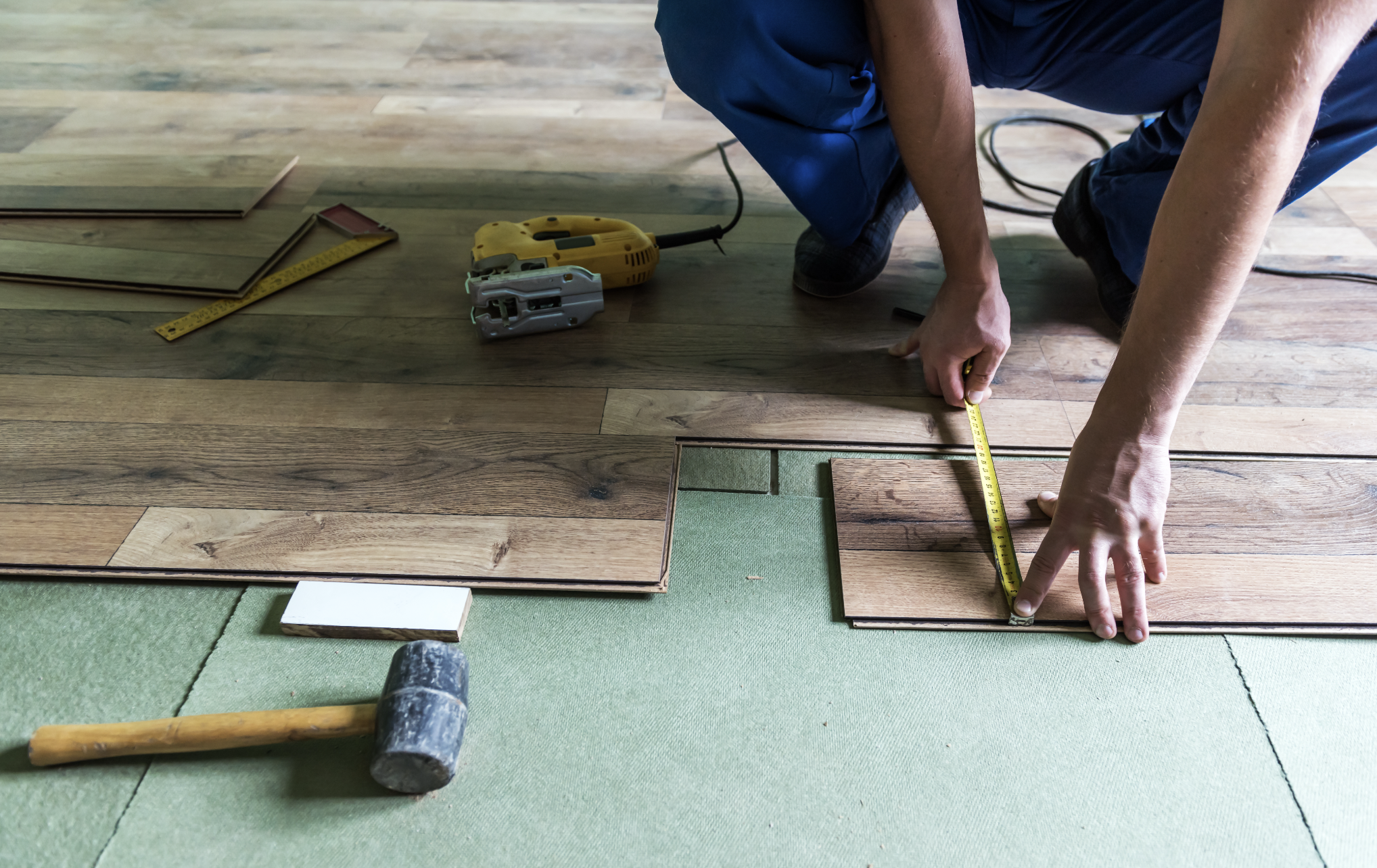
A quick tape measure gives you room size, but it rarely gives you the amount of flooring you actually need. Hallways, closets, angled walls, and pattern direction all change how much material should be ordered. That’s why professional measurements almost always come in higher than a homeowner’s first estimate.
Accurate measurements also protect your budget from paying for too much “just in case.” When we do a free in-home measurement, we’re looking at door swings, stair edges, and transitions so the quote matches the true layout, not just the rough square footage.
3. Plan for Installation, Prep, and “Hidden” Line Items
Even with the right amount of material, there are a few common budget traps that catch people off guard:
- Subfloor prep: Leveling low spots, repairing damaged plywood, or addressing squeaks can add cost but also prevents problems like gaps or soft spots.
- Old flooring removal and disposal: Tearing out glued-down vinyl or stained carpet takes time and hauling; that labor is often a separate line.
- Transitions and trim: Thresholds between rooms, stair noses, and new baseboards or shoe moldings add up faster than most folks expect.
You don’t need to be an expert on every step, but you do want clarity. A detailed quote should list these items so you can see exactly what you’re paying for. If you’d like to understand the process ahead of time, our installation guide walks through what happens from prep to final walkthrough in plain language.
4. Match Material Choices to How You Live
A smart budget isn’t just about paying less; it’s about spending in the right places. Luxury vinyl is a great example: it handles Texas humidity well, stands up to pets and kids, and doesn’t need refinishing. That durability can make a mid-range plank a better long-term value than a cheaper option you’ll replace sooner.
Carpet, on the other hand, is often the most budget-friendly way to make bedrooms and playrooms feel comfortable. If you choose a softer style now, planning for periodic deep cleaning helps preserve it and delays replacement. To keep fibers from packing down with grit and pet mess, many families schedule a professional carpet cleaning service every so often instead of waiting until stains are permanent.
5. Build a Cushion and Use It Wisely
Even with careful planning, older homes around Denton County can reveal surprises once flooring comes up: hidden damage, moisture issues, or uneven slabs. Setting aside an extra 10–15% in your budget gives you room to handle those findings without stress. If everything goes smoothly, that cushion can go toward a nicer style, upgraded pad, or new transitions instead.
When you’re ready to see how these ideas translate to your own home in North Texas, you don’t have to guess. You can request a free estimate, and we’ll walk through options, measurements, and line items so your new floors look great and the final total doesn’t catch you off guard.


