

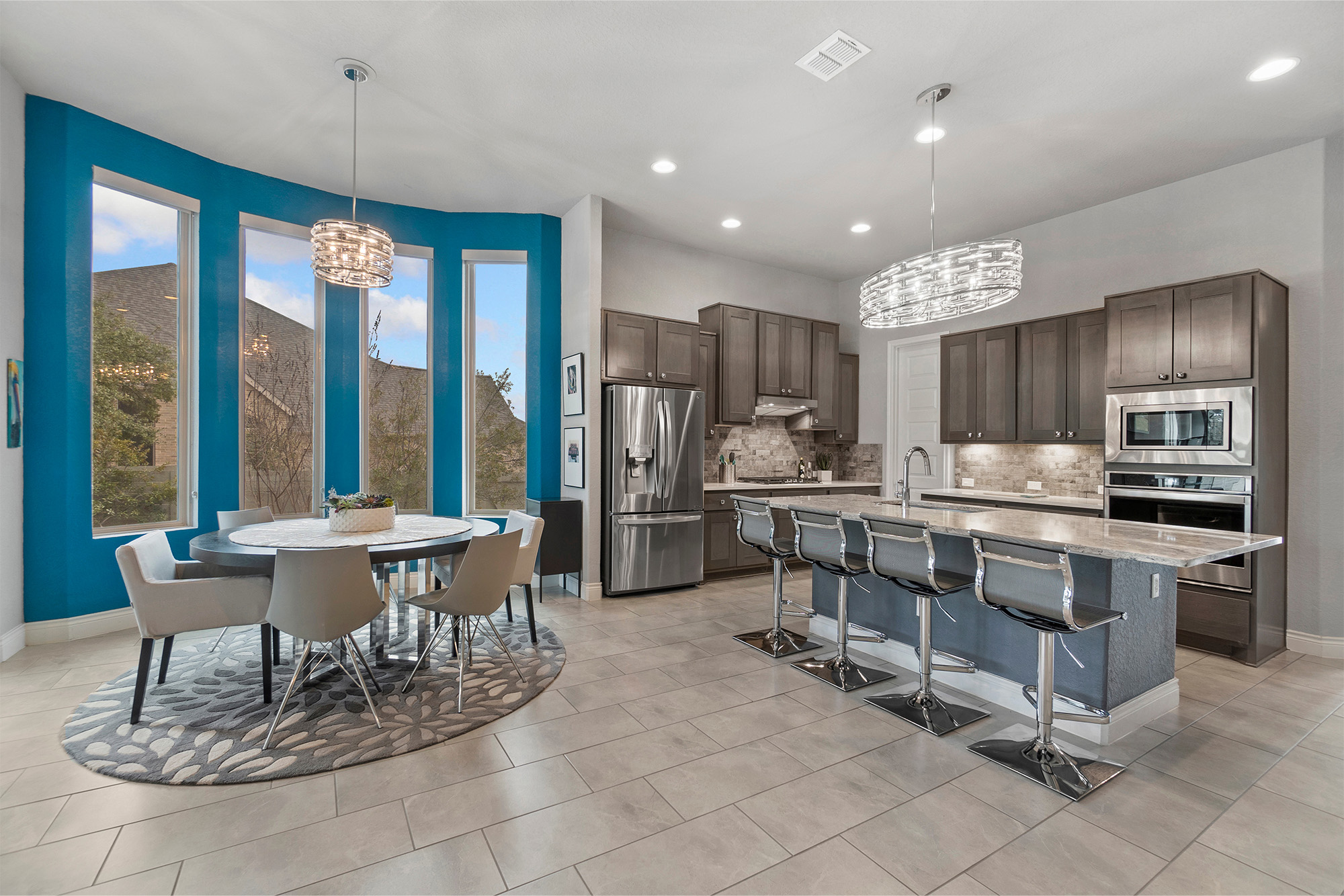
If someone in your home is constantly sneezing, coughing, or rubbing their eyes, your floors may be part of the problem. Soft surfaces and older finishes can hold on to dust, pet dander, and pollen, then kick everything back into the air every time you walk by. The good news: choosing the right flooring can make your space noticeably easier to breathe in, especially in a warm, humid North Texas climate.
How Flooring Affects Allergies
Allergens behave differently depending on what they land on. Carpets and textured fabrics can trap particles deep in the pile. That can be helpful short term, but once you walk, vacuum, or kids start playing, those same particles can get stirred up again.
Smooth, hard surfaces make a big difference because:
- Dust, dander, and pollen stay on the surface instead of sinking in, so you can remove them completely with regular cleaning.
For families managing asthma or seasonal allergies, that simple change—from “trapped and recirculated” to “collected and removed”—is one of the most powerful steps you can take at home.
Why Tile Is a Top Choice for Allergy Sufferers
Tile is one of the most allergy-friendly materials you can put underfoot. Glazed ceramic and porcelain have very low porosity, so they don’t absorb much moisture or harbor dust mites and mold. That’s especially helpful in kitchens, bathrooms, and entryways where humidity and tracked-in debris are common.
With tile, allergens sit on the surface until you sweep or mop them away. There’s no pile to trap pet hair, and spills won’t soak in and create musty odors. Grout lines need occasional scrubbing, but even there, you’re dealing with a firm, cleanable surface rather than fibers.
If you’re exploring options, our tile catalog shows how many styles work beautifully in main living areas, not just baths and kitchens. Large-format pieces with minimal grout are especially popular for allergy-conscious homes because they leave fewer places for dust to settle.
Laminate as a Practical, Allergy-Conscious Alternative
Laminate can also be a smart choice when you want an allergy-friendly floor with a warm, wood-look feel. Its smooth surface doesn’t give dust or dander much to cling to, so regular sweeping and microfiber mopping are usually enough to keep triggers in check.
Modern products are more stable and scratch-resistant than older versions, which makes them a good fit for busy households with kids and pets. To get the most health benefits, look for low-VOC options and use gentle cleaners rather than heavily scented products, which can bother sensitive lungs.
You can get a feel for today’s styles and finishes by browsing our laminate catalog. Many of these designs pair the easy cleaning of a hard surface with the cozy look of traditional wood.
Cleaning Habits That Support Allergy-Friendly Floors
Even the best material still needs the right care to keep allergens down. The goal is to remove particles before they get ground in or pushed back into the air.
For tile and laminate, focus on:
- Frequent dry sweeping or vacuuming with a hard-floor setting.
- Damp mopping with a simple, low-residue cleaner.
- Entry mats to catch dust and pollen before they spread through the house.
If you have some carpeted rooms that you’re not ready to replace, professional deep cleaning can help pull out packed-in debris that regular vacuuming leaves behind. Our professional carpet cleaning service is designed to remove grit, stains, and odors without being harsh on the fibers, which can extend the life of the floor while easing symptoms.
Plan an Allergy-Friendly Flooring Upgrade
When we visit homes around Denton County, we often see the same pattern: bedrooms or living rooms with older carpet and lots of soft surfaces that act like allergen magnets. Swapping key areas to tile or laminate, then keeping any remaining carpet on a regular deep-clean schedule, can make a noticeable difference in day-to-day comfort.
If you’re thinking about a flooring update to help with allergies, we can walk you through options that fit your rooms, budget, and maintenance preferences. When you’re ready to talk specifics, you can request a free estimate and we’ll help you design a home that looks great and lets everyone breathe a little easier.
Meta description suggestion: Learn how allergy-friendly flooring choices like tile and laminate can reduce dust, dander, and triggers at home, plus practical cleaning tips and upgrade ideas for North Texas homes.


