

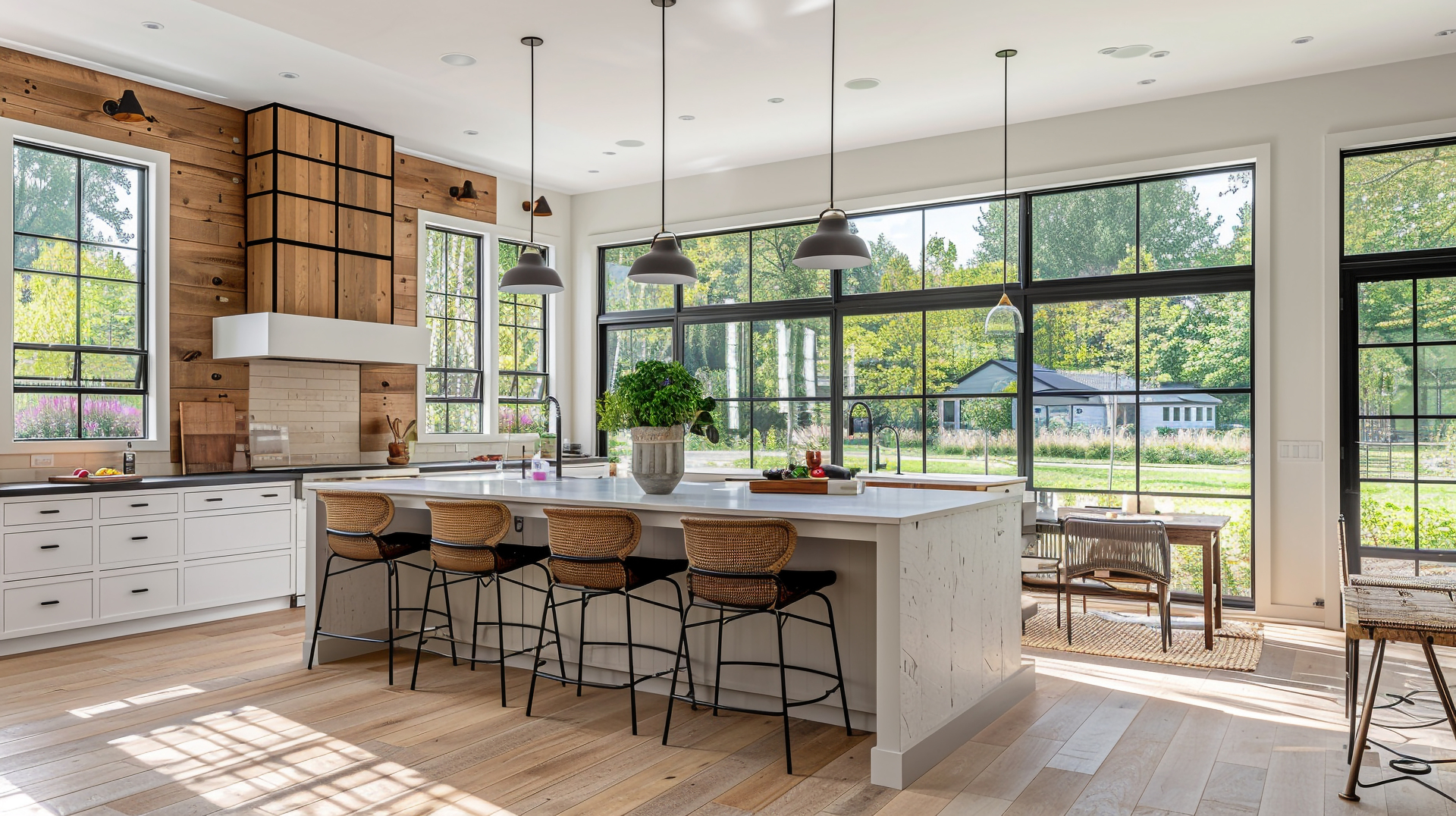
Hardwood floors have long been associated with warmth, character, and timeless design. Traditionally reserved for living rooms, dining rooms, and bedrooms, hardwood has steadily made its way into kitchens as open-concept layouts and cohesive flooring plans become more popular. Many homeowners love the idea of extending hardwood into the kitchen for visual flow, but questions about moisture, durability, and maintenance often follow.
Understanding both the advantages and the limitations of hardwood flooring in kitchens helps set realistic expectations. With the right product selection, installation approach, and care routine, hardwood can perform well in kitchen spaces—but it is not the perfect fit for every household. Below is a balanced look at the pros and cons to consider before committing to hardwood in the heart of the home.
Why hardwood continues to appeal in kitchen spaces
One of the biggest reasons homeowners consider hardwood in kitchens is aesthetic continuity. In open floor plans, running the same hardwood flooring from the living area into the kitchen creates a seamless look that makes the entire space feel larger and more cohesive.
Hardwood also offers a natural warmth that many tile or stone surfaces lack. The softer appearance and subtle grain patterns help kitchens feel less utilitarian and more like an extension of the living space. For those who spend a lot of time cooking, entertaining, or gathering with family, this warmth can make a noticeable difference in comfort and atmosphere.
Another benefit is long-term value. Hardwood flooring remains one of the most desirable features for buyers. When properly maintained, hardwood can be refinished rather than replaced, which helps extend its lifespan and preserve its appeal for decades.
Comfort underfoot compared to hard surface alternatives
Kitchens are high-activity zones where standing for long periods is common. Hardwood offers a slightly softer surface than ceramic tile or stone, which can be easier on joints and feet during meal prep and cleanup. It also tends to feel warmer underfoot, especially during cooler months, making it more comfortable in homes without radiant heating.
Sound absorption is another subtle advantage. Hardwood helps reduce the echo often associated with hard tile kitchens, especially in open spaces with high ceilings.
Moisture exposure is the biggest concern
The most talked-about drawback of hardwood in kitchens is moisture. Spills, splashes, leaking dishwashers, and refrigerator condensation can all pose risks. Unlike tile or vinyl, hardwood is a natural material that reacts to water by swelling, warping, or staining if moisture is not addressed quickly.
This does not mean hardwood cannot be used in kitchens, but it does mean extra vigilance is required. Prompt cleanup of spills, the use of protective mats near sinks and appliances, and maintaining consistent indoor humidity all become essential habits.
Scratches, dents, and daily wear
Kitchens see constant foot traffic, dropped utensils, chair movement, and pet activity. Over time, hardwood floors may show scratches or dents, especially if softer wood species are used. While some homeowners appreciate this natural patina, others prefer a more uniform appearance.
Choosing a harder wood species and a durable finish can reduce visible wear. Matte and satin finishes often disguise scratches better than high-gloss options. Area rugs or runners in high-traffic zones can also help protect the floor without disrupting the overall look.
Cleaning routines require a mindful approach
Hardwood kitchen floors are easy to sweep and vacuum, but cleaning methods matter. Excess water, steam mops, or harsh cleaners can damage the finish and the wood itself. Damp mopping with approved hardwood cleaners is typically recommended, along with regular maintenance to protect the surface.
While this routine is not difficult, it does require consistency. Homeowners accustomed to more forgiving flooring types may need to adjust their cleaning habits slightly.
Engineered hardwood as a practical alternative
For those who love the look of hardwood but worry about moisture, engineered hardwood can be a smart compromise. Engineered products are constructed in layers that offer improved dimensional stability, making them more resistant to humidity changes common in kitchens.
Although engineered hardwood may have limitations on refinishing depending on wear layer thickness, it often performs better in environments where solid hardwood might struggle.
Matching lifestyle to flooring choice
The decision to install hardwood floors in a kitchen ultimately comes down to lifestyle. Homes with busy families, frequent entertaining, pets, or a tendency toward heavy cooking may require extra care to keep hardwood looking its best. For others, the visual payoff and comfort outweigh the added responsibility.
Understanding how the kitchen is used daily helps determine whether hardwood is a practical solution or if another floor covering might better suit long-term needs.
Ready to talk about kitchen flooring options?
At Smitty’s Floor Covering, hardwood floors are installed with real-life kitchens in mind. Since 1958, our flooring experts have helped Denton homeowners choose floor covering solutions that balance beauty, performance, and longevity. Our team offers free in-home measurements throughout Denton, Corinth, Hickory Creek, Krum, and Ponder, TX, making it easy to explore whether hardwood is the right fit for the kitchen space.


