

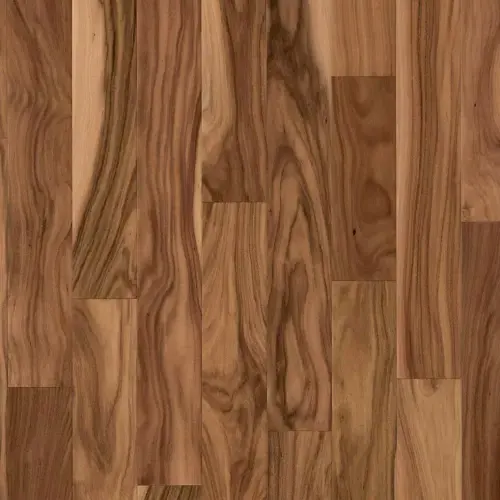
You walk across the living room and catch the light hitting the floor at just the wrong angle. Suddenly, every scratch, scuff, and dull patch you've been ignoring for years is impossible to unsee. Hardwood floors have a way of holding onto memories — some beautiful, some in the form of a gouge from the time you dragged that bookshelf across the room. The question is: can those floors be brought back to life with a refinish, or is it time to start fresh?
When Refinishing Makes Sense
Refinishing is the go-to move when the damage sits on the surface. If your floors are coated in fine scratches, have lost their luster, or show discoloration from years of sun exposure and foot traffic, sanding down the top layer and applying a fresh stain and sealant can restore them dramatically. The wood itself is still solid — it just needs its top coat renewed.
Cost is the obvious advantage here. Refinishing typically runs a fraction of what a full replacement costs, and the process is far less disruptive. Most jobs take a few days rather than a week or more, and you won't be moving furniture out of every room in the house. It's also the more sustainable choice — you're keeping perfectly good material out of a landfill and extending the life of what's already underfoot.
But refinishing has limits. You can only sand a floor down so many times before the boards become too thin to handle another pass. Solid hardwood can usually survive three to five refinishes over its lifetime. Engineered hardwood, with its thinner wear layer, might only get one or two — and some can't be refinished at all.
When Replacement Becomes the Better Investment
Some problems run deeper than sandpaper can reach. Deep gouges that cut into the wood itself, widespread water damage that's left boards warped or cupped, and persistent squeaking that signals loose or failing subfloor connections are all red flags. If you're seeing gaps between boards that widen and narrow with the seasons, or if certain planks feel spongy underfoot, the structure beneath the surface is compromised.
Replacement also opens the door to rethinking what's underfoot entirely. Maybe the narrow oak strips that came with the house no longer suit your style. Maybe you want to switch to a wider plank, a richer species like hickory or walnut, or a wire-brushed texture that hides daily wear. Browsing species, grades, and finishes across our hardwood collection can help you weigh what's possible — and sometimes, the chance to get exactly what you want is reason enough to start fresh.
What You Can't Diagnose from the Surface
Homeowners tend to focus on what they can see: scratches, stains, color. But there are factors only an experienced installer will catch. The moisture content of the subfloor, the flatness of the slab beneath, whether existing boards are thick enough for another sanding — these details determine whether refinishing is even viable.
A professional assessment matters even more in North Texas, where seasonal humidity swings can cause hardwood to expand and contract aggressively. Floors that looked flat in February might buckle slightly by August. We see this regularly across Denton County homes, and it's why a trained eye makes all the difference. Our free in-home measurement includes evaluating the condition of your existing floors so you're not making a five-figure decision based on guesswork.
If replacement turns out to be the answer, the installation itself is just as critical as the material. Proper acclimation, precise subfloor preparation, and attention to expansion gaps are what separate a floor that lasts decades from one that starts cupping within a year. Our installation guide walks through what professional prep looks like — from acclimating the wood to the final walk-through.
The Bottom Line
There's no universal answer. Floors with solid bones and surface-level wear are prime candidates for refinishing. Floors with structural issues, water damage, or thin remaining wood are telling you it's time for something new. Either way, the right call starts with knowing what you're really working with — not just what you can see from the top.
When you're ready to find out which direction makes sense for your home, request a free estimate and we'll take a close look at what's underfoot.


