

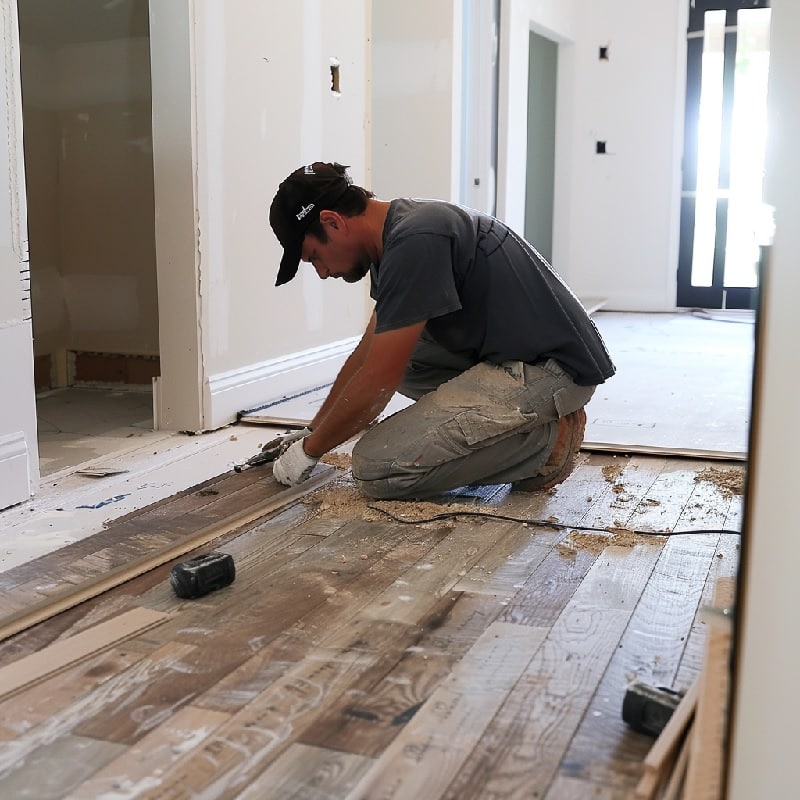
Choosing a new floor is exciting right up until someone asks how it will actually be installed. That part can feel technical fast. Yet the installation method affects more than labor day logistics. It influences how the surface feels underfoot, how it handles seasonal movement, and how long it keeps its good looks. For homeowners comparing options, especially laminate and tile, understanding the basics makes the decision much easier.
Why installation method matters more than most people expect
People often focus on color, texture, and price first, but the way a material goes down has a direct impact on performance. A floating floor, for example, is built to move slightly as conditions change. A mortar-set surface becomes part of the subfloor assembly and depends heavily on a stable base. Those are very different systems, even if both look great when the project is finished.
That is one reason preparation matters so much. The subfloor has to be clean, level, and dry enough for the product being used. Small imperfections underneath can lead to gaps, hollow spots, cracked grout, or premature wear. Before installation day, it helps to understand what professionals check during a free in-home measurement, since room transitions, door clearance, and layout details often determine which method makes the most sense.
How laminate is usually installed
Laminate is commonly installed as a floating floor, which means the planks connect to each other rather than being permanently fastened to the subfloor. Most modern products use a click-lock system, allowing boards to form a tight surface that can expand and contract slightly around the edges. That movement is normal, which is why proper spacing at walls and fixed objects is so important.
This approach makes laminate a practical choice for many busy households because installation is often faster and less invasive than glue-down or nail-down methods. It also works well over several existing subfloor types when the base is flat and sound. If you want to compare visuals, textures, and wood-look designs before deciding, browsing the laminate catalog can help you see how varied these products have become.
Even with a user-friendly locking system, success depends on technique. Plank direction, stagger pattern, underlayment selection, and acclimation all affect the final result. A rushed job may still look fine at first, but edges can separate or sound uneven later. That is why many homeowners rely on an installation guide to understand the prep work and what a proper process should include from start to finish.
How tile installation differs
Tile is a different animal altogether. Instead of clicking together, it is typically set into mortar, spaced carefully, and finished with grout. Because the material itself is rigid, it does not hide subfloor issues well. If the base flexes too much or has uneven areas, cracks and lippage become much more likely.
Layout planning matters here too. Installers have to think through pattern alignment, cut placement, and how the finished surface will meet nearby rooms. That is especially important in kitchens, baths, and entryways where moisture resistance and durability are major priorities. Homeowners weighing those benefits against installation complexity can get a better feel for styles and applications in the tile collection.
Which method fits your home best?
There is no universal winner. Laminate often appeals to families who want speed, value, and a softer feel underfoot. Tile tends to make sense where water, heavy traffic, or long-term durability drive the decision. In homes across Denton County, the right answer usually comes down to the condition of the subfloor, the room’s demands, and how much maintenance a household wants to take on over time.
That balance is why experienced guidance matters. In Denton and nearby communities like Corinth, Hickory Creek, Krum, and Ponder, a good recommendation should connect the product, the room, and the installation method rather than treating them as separate choices. When you’re ready to sort through the options, request a free estimate and get advice tailored to your space.


